
Are Electric Cars Secretly Shaping the Future of Design?
Unveiling the aesthetic revolution happening right under your nose
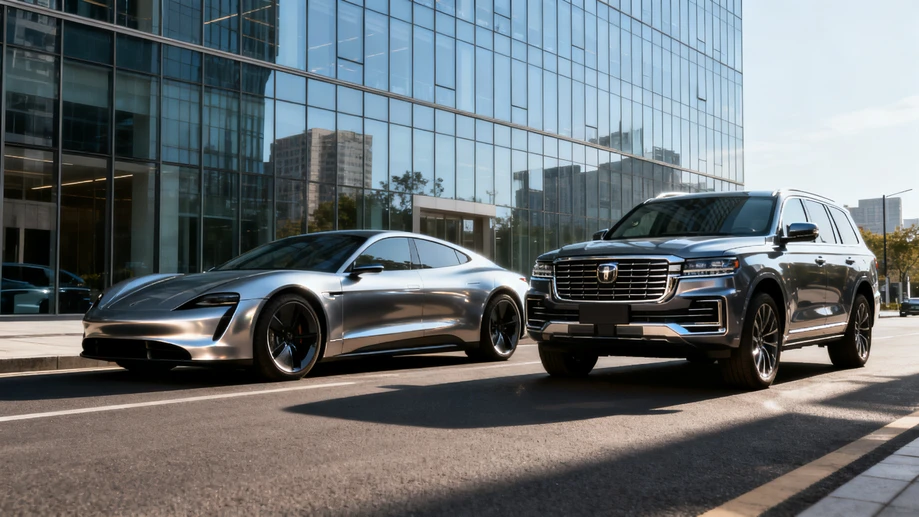
Picture this: You're waiting at a traffic light when a silent vehicle glides past with sleek, uninterrupted curves and glowing light bars. That's no sci-fi prop – it's your neighbor's new electric car! While we obsess over battery ranges and charging times, EVs are quietly staging a design coup. Unlike their gas-guzzling ancestors burdened with bulky grilles and exhaust pipes, electric vehicles boast clean slates for designers. The absence of combustion engines means no need for massive front air intakes, allowing for smooth, aerodynamic faces that look like they've been polished by the wind itself. This isn't just about looking pretty; it's a revolution in how we perceive mobility.
Ever wonder why many EVs resemble futuristic eggs on wheels? Blame aerodynamics – the secret weapon in the EV design playbook! Traditional cars fight air resistance with brute horsepower, but EVs wage a smarter war. Every curve on vehicles like the Hyundai Ioniq 6 or Tesla Model 3 serves a purpose: flush door handles reduce drag, tapered rear ends prevent air turbulence, and even side mirrors are being replaced by cameras. These features aren't just cosmetic upgrades; they're energy-saving ninjas. By slicing through air like Olympic swimmers, EVs gain precious extra miles – proving that in the electric age, beauty is more than skin deep; it's literally efficiency sculpted in steel.
The lighting revolution deserves its own spotlight. Forget boring round headlights – EVs have turned illumination into art. Take Audi's mesmerizing laser-light choreography or Mercedes' three-pointed star constellations. These aren't mere bulbs; they're signature light signatures making EVs instantly recognizable at night. The secret sauce? LEDs allow intricate patterns impossible with old-fashioned filaments. But there's genius beyond aesthetics: adaptive matrix beams can selectively dim sections to avoid blinding other drivers while maintaining full road visibility. Suddenly, your car's "face" isn't just decorative – it's communicating!
Open an EV door and witness the disappearing act of traditional components. Without transmission tunnels or exhaust systems, interiors transform into spacious lounges. The Volkswagen ID.3's open cabin feels like a minimalist apartment, while the BMW iX's hexagonal steering wheel seems borrowed from a concept car. Designers exploit this emptiness with floating consoles and expansive glass roofs. Even the humble dashboard is evolving – screens consolidate controls, reducing physical buttons. This "less is more" philosophy creates calming, distraction-minimized environments. Who knew that removing mechanical clutter could make driving feel like a spa retreat?
Material science is the EV's invisible design partner. Sustainable fabrics like recycled PET bottles now cover seats in Polestars, while vegan leather alternatives appear in premium models. But the real magic happens beneath the surface. Carbon fiber-reinforced bodies (like BMW's i models) provide strength without weight penalties, while aluminum alloys in Tesla's gigacastings reduce part counts. These innovations enable dramatic silhouettes impossible with conventional materials. Your EV might look like a sculpted pebble, but it's actually a high-tech fortress – proving eco-friendly materials can be both tough and beautiful.
Next time an EV whispers past, don't just see a car – see a rolling design manifesto. These vehicles aren't merely replacing engines; they're rewriting automotive aesthetics with wind-cheating shapes, light-based communication, and clutter-free interiors. As charging times shrink and ranges grow, remember that the silent revolution isn't just under the hood – it's in every contour, crease, and pixel that makes your neighbor turn and stare. The future of design isn't coming; it's already parked in your driveway, looking fabulous while sipping electrons.