
Your Car's Secret Sanctuary Unveiled
Exploring the fascinating science and comfort that transforms your daily drive into an oasis of calm and safety.
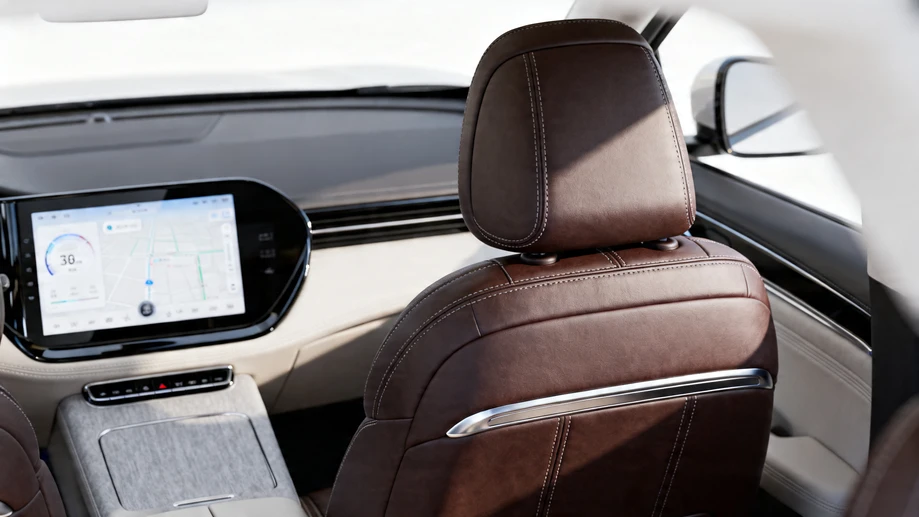
When you slide into the driver's seat and close the door, you're not just stepping into a vehicle; you're entering a meticulously designed world tailored to your senses. Car interiors have evolved beyond mere functionality to become personal sanctuaries on wheels. From the soft touch of leather seats to the ambient glow of dashboard lights, every element is engineered for comfort and convenience. Think about it: a typical commute can be stressful, but with intuitive controls, ergonomic seating, and noise-reducing materials, modern car cabins turn chaotic journeys into serene escapes. This hidden universe isn't just about luxury—it's a blend of psychology, engineering, and art that impacts your mood, focus, and even safety. In this exploration, we'll uncover how everyday elements like upholstery, climate control, and layout contribute to making your car feel like a second home. Whether you're battling rush-hour traffic or embarking on a road trip, the interior is your unsung hero, silently enhancing your driving experience.
Rewind to the early days of automobiles, and you'd find interiors that were far from inviting. In the 1920s, cars often featured bare metal panels, hard wooden seats, and minimal padding. Ventilation came from open windows, and noise levels were deafening. But over decades, innovations transformed the cabin. The introduction of synthetic materials like vinyl in the 1950s allowed for cushioned seats and colorful designs, while the 1970s brought advancements in air conditioning and sound insulation. By the 1990s, ergonomics took center stage, with designers focusing on reducing driver fatigue through adjustable seats and optimized steering wheels. Today, we take for granted features like heated seats and multi-zone climate control, which emerged from decades of trial and error. This evolution wasn't just about comfort—it was driven by a growing understanding of human factors. For instance, studies show that well-designed interiors reduce accident risks by keeping drivers alert. It's a testament to how incremental improvements, rooted in real-world needs, have turned the car interior from a functional shell into a haven of well-being.
Dive into the materials that cloak your cabin, and you'll discover a world of innovation. Leather remains a popular choice, prized for its durability and timeless appeal, but its production has become more sustainable with eco-tanned options. Synthetic alternatives like microfiber and faux leather offer similar luxury at lower costs while being easier to clean—perfect for families with kids. Textiles play a crucial role too; high-performance fabrics with stain-resistant coatings can withstand spills and UV rays, ensuring longevity in daily use. Under the surface, plastics and composites are engineered for safety and aesthetics. Soft-touch plastics on dashboards reduce glare and provide a tactile, premium feel, while recycled materials are increasingly used in floor mats and trim, reflecting a shift toward eco-conscious design. These choices aren't arbitrary; they're based on rigorous testing for wear, tear, and fire resistance. For example, seat fabrics undergo abrasion tests simulating years of use, and plastics are treated to minimize odors. The result? A cabin that feels premium without compromising practicality, silently protecting you from the elements while adding a touch of personal style to your ride.
Comfort isn't just about soft seats—it's a symphony of design elements that soothe your body and mind. Ergonomic seats are the backbone, with contours that support your spine and adjustable lumbar settings to prevent backaches on long drives. Modern designs incorporate memory foam or gel inserts that distribute weight evenly, reducing pressure points. Temperature control is another unsung hero: multi-zone climate systems allow different settings for driver and passengers, using sensors to maintain ideal conditions without hot spots. Noise reduction is key too; acoustic laminated glass and sound-deadening materials in doors and floors cut outside clamor by up to 50%, making conversations or music crystal clear. Lighting plays a psychological role as well; ambient LEDs with adjustable colors can create calming atmospheres, reducing eye strain and stress. Even small details, like cup holders positioned within easy reach or storage compartments for essentials, contribute to effortless functionality. Remember that time you got stuck in traffic but felt oddly relaxed? That's the magic of intentional comfort design. It's not about extravagance—it's about thoughtful touches that make everyday commutes feel like mini-vacations, blending science with empathy to keep you refreshed.
Safety is woven into every stitch and seam of your car's interior, often invisibly protecting you in critical moments. Airbags, for instance, are integrated into the dashboard and seat frames, deploying in milliseconds during a collision to cushion impacts. The materials around them are designed to collapse safely, absorbing energy rather than shattering. Instrument clusters are engineered for quick readability; digital displays use high-contrast colors and intuitive layouts to minimize distraction, ensuring you glance away for only a fraction of a second. Steering wheels now feature controls for audio and cruise settings, reducing hand movement and keeping eyes on the road. Seat belts have evolved from simple straps to pretensioners that tighten automatically in emergencies, working with seat sensors to optimize protection. Even the layout adheres to strict ergonomic standards: knobs and buttons are placed within easy reach to prevent fumbling, and non-reflective surfaces cut glare that could cause momentary blindness. Crash tests, like those by regulatory bodies, validate these designs, simulating real-world scenarios to refine elements. It's a silent shield that transforms your cabin into a protective bubble, where every detail is a life-saving feature in disguise.
As technology advances, interiors have embraced smart connectivity without venturing into sci-fi territory. Touchscreens on the dashboard serve as hubs for navigation, music, and hands-free calls, all controlled with simple swipes to avoid distractions. Integrated systems like Bluetooth allow seamless smartphone pairing for streaming or voice commands, making it easy to stay focused on driving. Sensors monitor cabin air quality, automatically adjusting ventilation to filter out pollutants or allergens—a boon for urban commutes. However, the focus remains on user-friendliness; physical buttons provide tactile feedback for critical functions, ensuring you don't lose touch with reality. Charging ports are ubiquitous, with USB-C outlets built into seats or consoles for convenience. Behind the scenes, wireless updates keep software current, enhancing reliability. This tech isn't about gimmicks; it's practical, like alert systems that warn of low tire pressure via the display. But the best part? It's grounded in daily life, making your car feel like an extension of your home without overwhelming complexity. After all, in a world buzzing with gadgets, a car's interior should simplify, not complicate, your journey.
In the end, your car's interior is more than just a space—it's a dynamic companion that elevates every drive with science-backed comfort and safety. From the whisper-quiet cabin to the intuitive controls, each element reflects decades of innovation aimed at enhancing your real-world experiences. Next time you buckle up, take a moment to appreciate the subtle details: the soft hum of the climate system, the supportive seat, or the glow of the dashboard that guides you home. This isn't futuristic fantasy; it's everyday engineering that transforms mundane trips into moments of tranquility. As we navigate our lives, this hidden sanctuary reminds us that great design isn't always flashy—it's the quiet hero that keeps us safe, happy, and connected on the road.