
Is Your Car's Paint Job Telling Lies About Its Personality?
Decoding the hidden messages in supercar hues and the deceptive curves that steal your glance.
Ever wonder why a flash of crimson makes your heart race faster than a silver bullet, even if they're the same model? The world of luxury automotive finishes is a masterclass in psychology, chemistry, and sheer artistry. Forget mere transportation; these vehicles wear their souls on their sleeves – or rather, their panels. From the deep, soulful blues that seem to swallow light to the fiery oranges that scream for attention, every pigment choice whispers (or shouts) a carefully curated narrative. It’s not just about looking expensive; it’s about projecting speed, elegance, menace, or exclusivity before the engine even roars. The paint itself is a technological marvel, involving layer upon layer of primer, basecoat (often packed with microscopic metallic flakes or pearlescent particles), and a clear coat so glossy it resembles liquid glass. This intricate process, sometimes taking over a week for a single car, creates depth and light play impossible on ordinary finishes.
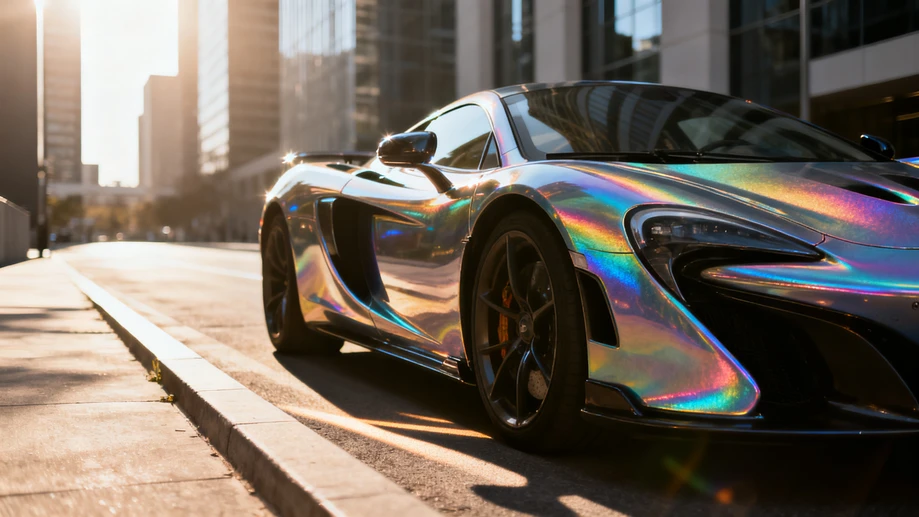
Beyond the palette, the true magic lies in the application and the special effects. Have you seen a car that shifts color depending on your viewing angle? That’s chameleon paint, using multi-layered interference pigments that bend light like a prism. Or the hypnotic sparkle of metallic flakes, painstakingly suspended to catch the sun in a million tiny points of brilliance. Then there’s the brutal elegance of matte finishes – a deliberate rejection of shine, conveying power through understated texture, like brushed titanium or volcanic rock. These finishes are notoriously high-maintenance, demanding specialized cleaning to avoid marring their velvety surface, but owners pay the price for that unique, head-turning defiance of conventional gloss. It’s a statement: wealth isn’t always loud; sometimes it’s a quiet, textured whisper.
While color captures the eye first, the shape of a supercar is a seductive dance between wind and desire. Those sweeping lines, dramatic scoops, and aggressive vents aren't just for show; they’re locked in a constant battle with physics. Designers walk a tightrope: sculpting forms so beautiful they evoke emotion, yet rigorously shaped to cheat the wind, generate downforce, and keep the car glued to the tarmac at insane speeds. The graceful curve of a fender might channel air over the wheel well to reduce drag. A seemingly decorative crease along the door could guide airflow to a rear diffuser. The scoops? They feed precious cool air to searing brakes or a hungry engine. Even the low, crouching stance isn't merely menacing aesthetics; it lowers the center of gravity and reduces the car’s frontal area punching through the air.
Look closer at the details. Why are headlights on high-end machines often narrow, almost slit-like? It reduces frontal drag and contributes to that predatory look. The rear diffuser, often a complex honeycomb structure underneath, accelerates air flowing beneath the car, creating a low-pressure zone that sucks it down, increasing grip. Those massive wheels aren't just bling; they accommodate colossal brakes and offer space for wider tires, translating engine power into pavement-conquering traction. The positioning of the cockpit, often far back towards the rear wheels, isn't just a stylistic choice; it optimizes weight distribution for razor-sharp handling. Every contour, every angle, every vent is a calculated element in the high-speed ballet of form and furious function.
Beyond pure physics, the shape is a language. The long, sweeping hood of a front-engined GT whispers of grand touring elegance and tradition. The mid-engine proportions of a supercar, with its cab-forward stance and visible air intakes behind the doors, screams performance pedigree, showcasing the mechanical heart positioned centrally for balance. The aggressive wedge profile, tapering sharply towards the rear, visually communicates speed even when stationary. These silhouettes become instantly recognizable icons, carrying the weight of brand heritage. Think of the Ferrari side scallop, the Porsche 911’s iconic roofline, or the Lamborghini’s razor-sharp angles – these are visual signatures as powerful as any logo, forged over decades of design evolution.
So, the next time a stunning supercar glides by, resist the urge to look away. Take a moment to really see it. That breathtaking color isn't random; it’s a carefully selected personality tag. Those sculpted curves aren't just beautiful; they’re whispers of wind-tunnel secrets and battles against G-forces. From the molecular dance of light in its paint to the wind-cheating poetry of its form, a luxury car is far more than metal and rubber. It’s a rolling testament to human ingenuity, obsession, and the relentless pursuit of turning physics and chemistry into pure, undeniable desire. The paint tells a story, the shape sings a song, and together, they create a masterpiece designed to steal your breath and haunt your dreams.