
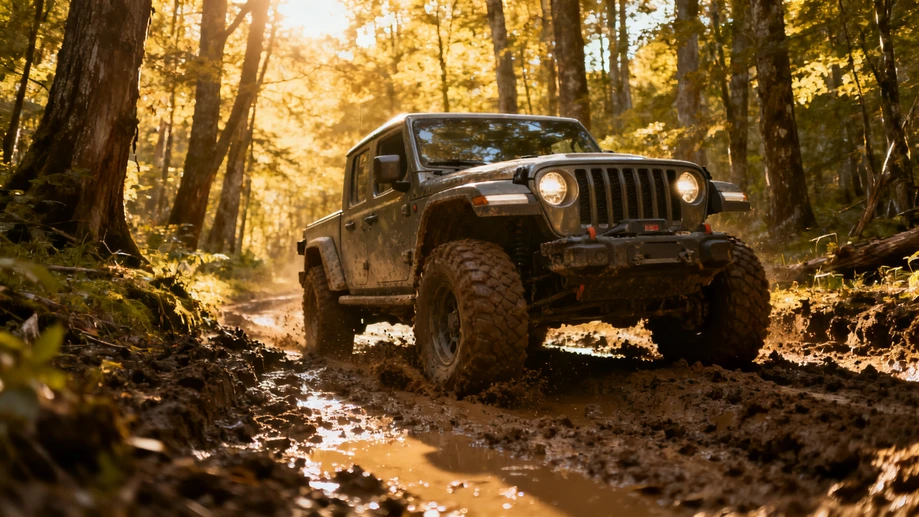
Unleash Your Inner Explorer with Off-Road Vehicles!
A thrilling journey into the science and fun of conquering nature's toughest terrains.
Imagine yourself behind the wheel, navigating through muddy trails, rocky slopes, and dense forests—all while feeling the adrenaline rush of an adventure. Off-road vehicles, often called 4x4s or SUVs, are not just cars; they're your ticket to exploring the wild, untamed corners of the world. These rugged machines are designed to tackle the impossible, turning ordinary drives into epic quests. From weekend warriors to professional explorers, people love them for their ability to go where no paved road dares to lead. But what makes them so special? It's a blend of engineering marvels and pure, unadulterated fun. In this article, we'll dive into the fascinating world of off-road vehicles, uncovering the science behind their power and the real-life stories that make them a staple in everyday adventures. Forget the lab coats—this is about getting dirty and loving every minute of it!
Off-road vehicles have a rich history that dates back to World War II, when military needs birthed the first rugged machines like the iconic Jeep. These early models were built for survival, not comfort, with simple designs that could withstand bomb craters and muddy battlefields. Fast forward to today, and they've evolved into everyday heroes, thanks to innovations from brands like Land Rover and Toyota. The transformation wasn't overnight; it involved decades of trial and error, where engineers learned from failures to create vehicles that balance toughness with reliability. For instance, did you know that the first civilian off-roaders were often modified farm trucks? Farmers used them to navigate fields, proving that necessity truly is the mother of invention. This history isn't just about machines—it's about human ingenuity turning wartime tools into family-friendly explorers, making off-roading accessible to anyone with a sense of adventure.
At the heart of every off-road vehicle lies a suite of clever technologies that make conquering rough terrain possible. The key is the four-wheel-drive system, which distributes power to all wheels, preventing slips on slippery surfaces. It's like having super-grip shoes for your car! Then there's the suspension—high-clearance setups with shock absorbers that soak up bumps, allowing you to glide over rocks and ruts without a jolt. Modern vehicles add features like locking differentials, which ensure wheels turn at the same speed on uneven ground, and electronic traction control that adjusts in real-time. But it's not all high-tech; simple elements like reinforced frames and all-terrain tires play crucial roles. Tires, for example, have deep treads that bite into mud, much like hiking boots grip a trail. These innovations aren't magic—they're grounded in physics, with engineers constantly refining designs based on real-world tests. The result? A vehicle that feels unstoppable, whether you're crossing a desert or fording a shallow stream.
Today's off-road vehicles come in all shapes and sizes, catering to diverse lifestyles and budgets. Popular models like the Jeep Wrangler or Ford Bronco are household names, known for their versatility—perfect for a family camping trip or a solo expedition. But it's not just about the big brands; smaller, agile options like the Suzuki Jimny offer affordable thrills for urban adventurers. What makes them so appealing is their real-world utility: they're used in everything from search-and-rescue missions to wildlife photography, proving that off-roading isn't just a hobby—it's a lifeline. Take the Australian Outback, where these vehicles are essential for traversing vast, remote areas. Or consider everyday scenarios: a snowstorm hits, and your SUV becomes the hero that gets you to work safely. Fun fact: off-road events like the Baja 1000 race showcase these machines in action, drawing crowds who cheer as drivers tackle insane challenges. It's a community built on shared passion, where stories of near-misses and triumphant recoveries are swapped around campfires.
While off-roading is exhilarating, it's crucial to approach it with respect and safety in mind. Always start on easy trails if you're a beginner, gradually building skills—think of it as learning to ride a bike before hitting a mountain bike trail. Essential gear includes a recovery kit with tow straps and a shovel, in case you get stuck, and a first-aid kit for unexpected bumps. Remember, these vehicles are powerful, but they're not invincible; overconfidence can lead to rollovers or environmental damage. That's why responsible off-roading involves sticking to designated trails to protect nature. The fun part? It fosters a sense of camaraderie, with clubs organizing group outings where you can share tips and laughs. Plus, it's surprisingly educational: navigating by GPS or reading terrain teaches problem-solving skills. In the end, off-roading is about embracing the wild with a smile, knowing that every adventure leaves you with unforgettable memories and a deeper appreciation for the great outdoors.
Off-road vehicles are more than just machines; they're gateways to freedom, connecting us to nature in ways that daily life often misses. They embody the spirit of exploration, turning ordinary drives into extraordinary journeys. As technology advances, we're seeing greener options like electric off-roaders that reduce emissions without sacrificing thrill. But the core remains unchanged: it's about the joy of discovery, the rush of overcoming obstacles, and the stories you'll tell for years. So, whether you're a seasoned pro or a curious newbie, grab your keys and hit the trail. The wild is waiting, and with the right vehicle, you're ready to conquer it—one muddy mile at a time.