
Are Electric Vehicles Slowly Morphing into Alien Spaceships?
Unpacking the aerodynamic secrets behind those head-turning curves and futuristic silhouettes
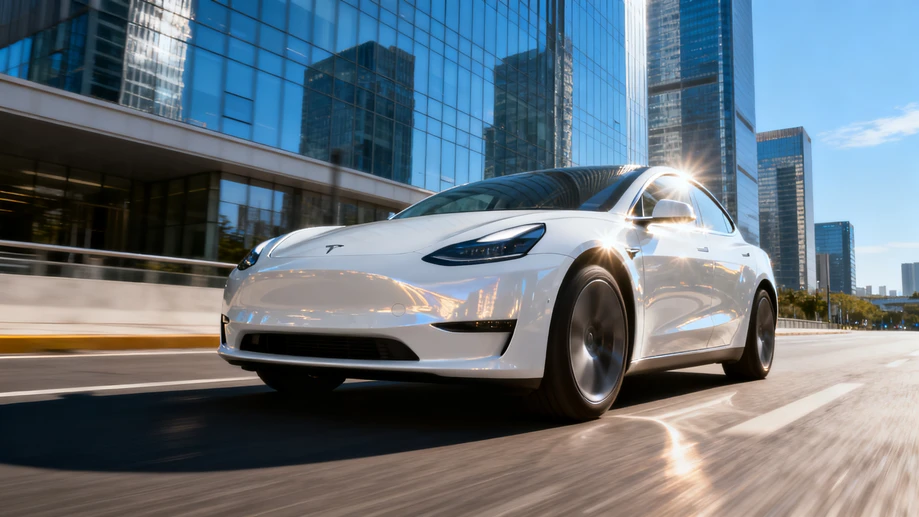
You stroll down the street and do a double-take. Was that a Tesla or a UFO? Modern electric vehicles flaunt swooping curves, flush door handles, and grille-less fronts that make them look like they’ve escaped a sci-fi movie set. This isn’t automotive designers indulging wild fantasies—it’s physics in haute couture. Every contour slices through air resistance like a hot knife through butter, boosting range by silencing the enemy of all EVs: drag. Wind tunnels have replaced clay modeling studios as the true birthplace of these shapes.
Compare a classic gas-guzzler to its electric successor. Traditional cars needed gaping front grilles like nostrils gulping oxygen for combustion engines and radiators. EVs? They breathe differently—their "lungs" are compact battery packs tucked under the floor. The result? A smooth, uninterrupted face designers call "shark-nosing," paired with retractable door handles that stay flush until summoned. Even side mirrors are vanishing, replaced by sleek cameras. These tweaks aren’t just cosmetic superheroes; they claw back precious miles from each charge.
Ever noticed how EV wheels look like futuristic turbine blades? Those intricate patterns aren’t just for Instagram glamour shots. Called "aero wheels," they act as shields, redirecting turbulent airflow around the tires—a major source of drag. Combined with underbody panels as flat as a skateboard ramp, they create a seamless river of air beneath the car. Automakers even angle windshield wipers horizontally when parked! It’s a silent war against friction where every millimeter of turbulence tamed equals extra sips of battery juice.
Colors play tricks, too. Many EVs wear pearlescent whites or metallic silvers not merely for elegance, but because light hues reflect heat. Darker exteriors bake under sunlight, forcing battery cooling systems to work overtime. Then there’s glass—panoramic roofs flood cabins with light while blocking infrared radiation. Even the placement of charging ports matters. Front-mounted ports (like Nissan Leaf’s) risk "cord spaghetti," while rear placements encourage cleaner garage setups. Daily life becomes stealthy wind-tunnel validation.
Will we see Lamborghini-style wings? Probably not. Designers now prioritize "functional minimalism." The BMW iX’s slab-like bumper hides ultrasonic sensors and cameras, while Cybertruck’s angular armor doubles as dent-resistant panels. Expect more geometric purity—less chrome, fewer seams, and materials like recycled polymers that mimic brushed steel. The quest? To make EVs glide so efficiently that "range anxiety" sounds as archaic as cranking a Model T.
So next time you spot an EV that looks interstellar, know this: those curves aren’t just for ogling. They’re whispering secrets of silent battles against wind, heat, and wasted energy—proving that when it comes to design, efficiency is the ultimate form of beauty. Now, who’s ready for their close-up, Mars?