
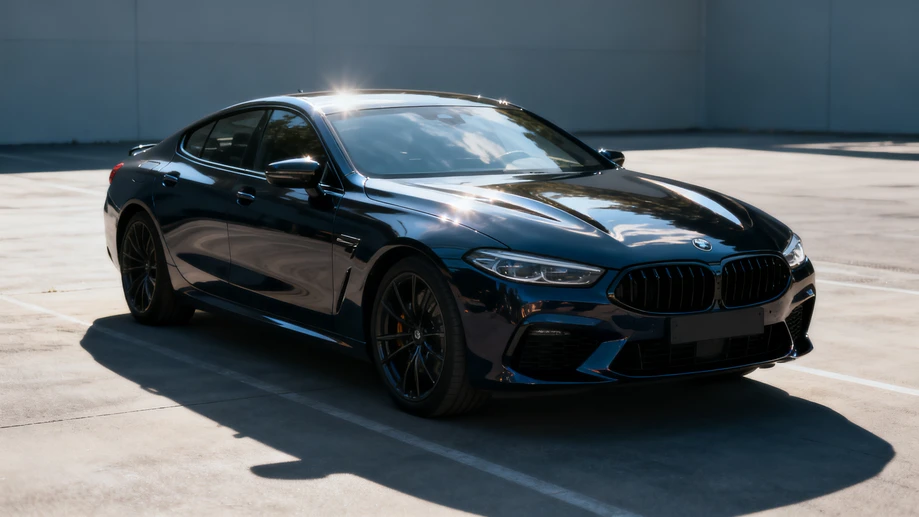
5 Mind-Blowing Secrets of Luxury Car Paint and Exterior Design
Discover How These Cars Shine and Turn Heads with Unseen Magic
Ever parked near a luxury car and found yourself staring, mesmerized by its flawless finish? That's no accident—it's a carefully orchestrated dance of science and art. Luxury vehicles like the Rolls-Royce Phantom or Ferrari SF90 don't just turn heads on the road; they create an aura of exclusivity that starts with their paint and design. But what makes them stand out in a sea of ordinary sedans? It begins with the psychology of allure: humans are wired to admire symmetry and shine. Studies show that a deep, glossy paint job can evoke feelings of wealth and sophistication, triggering a dopamine rush similar to seeing a masterpiece. This isn't just vanity; it's a billion-dollar industry where brands compete fiercely to outshine rivals. Imagine cruising down a city street, your car catching sunlight like liquid metal. That moment isn't random—it's engineered to make onlookers pause and wonder. So, buckle up as we peel back the layers of this automotive glamour, revealing secrets that transform metal into magnets for admiration.
First, the paint itself is a marvel of modern chemistry, involving layers so precise they'd make a watchmaker jealous. Forget basic spray jobs; luxury cars use multi-stage processes starting with a primer that ensures adhesion, followed by base coats infused with pigments like mica or pearl for depth. The real magic lies in the clear coat: a urethane-based layer applied in ultra-thin films, then cured under UV light to create an impenetrable shield. This not only resists scratches and UV fading but also amplifies color through refraction—think of it as haute couture for metal. Brands like Mercedes-Benz and Bentley even employ "chromaflair" technology, where microscopic flakes shift hues based on the angle, creating a chameleon effect. Why does this matter? In daily life, it means your car maintains its luster for decades, resisting bird droppings and road grime like a superhero. Plus, the process isn't quick: a single coat can take days to apply in dust-free booths, explaining why a simple paint job on a Lamborghini can cost upwards of $10,000. Fun fact: during World War II, techniques developed for aircraft coatings were adapted for cars, leading to today's durable finishes. So next time you admire a glossy hood, remember it's science in action—a silent guardian against the elements.
Moving beyond paint, the exterior design is where aerodynamics meets artistry, sculpting curves that slice through air with ballet-like grace. Luxury cars aren't just pretty faces; their shapes are honed in wind tunnels to reduce drag and boost efficiency. Take the Porsche 911's iconic silhouette: its sloping roofline isn't only for looks—it directs airflow to minimize turbulence, improving fuel economy by up to 15%. Elements like kidney grilles on BMWs or the "floating" roof on Range Rovers serve dual purposes, cooling engines while creating visual drama. Even headlights are engineered for precision, using LED arrays that cast crisp beams without blinding others, thanks to adaptive tech. Real-world impact? On a rainy commute, these designs ensure stability at high speeds, reducing accidents. And it's not just function; it's emotion. Designers draw inspiration from nature—think Jaguar's feline lines—to evoke speed and elegance. Interviews with industry experts reveal that creating a new model involves clay modeling and digital simulations, balancing form and function over years. Anecdote: in the 1950s, Cadillac tailfins mimicked jet planes, capturing post-war optimism. Today, such features make cars Instagram-worthy, proving that beauty isn't skin-deep—it's wind-tested.
Maintenance is key to preserving this splendor, and luxury owners know it's not a chore but a ritual. Regular washing with pH-neutral soaps prevents acidic contaminants from etching the paint, while ceramic coatings offer a nano-layer shield that repels water like a lotus leaf. For DIY enthusiasts, microfiber cloths are a must to avoid swirl marks—using anything else is like scrubbing a diamond with sandpaper. Professional detailing, recommended twice a year, can include paint correction to buff out minor imperfections. But why bother? Neglect leads to dullness, depreciating value faster than a stock crash. In everyday terms, think of your car as a tailored suit: a quick wipe-down after a dusty drive keeps it sharp for the next board meeting. Plus, innovations like self-healing clear coats (which use heat to repair scratches) are becoming mainstream, making upkeep easier. Trivia: some collectors store cars in humidity-controlled garages to prevent oxidation. Bottom line: caring for your exterior isn't extravagance; it's smart ownership that pays off in resale and pride.
For a dash of fun, consider quirky historical tidbits that show how far we've come. Did you know Henry Ford's Model T famously came only in black because the paint dried fastest? Fast forward to today, where bespoke programs like Rolls-Royce's "Bespoke Collective" let buyers mix custom colors—one client even requested a shade matching their pet's eyes! Another jaw-dropper: the Bugatti Chiron's paint contains actual gold flakes for extra sparkle under showroom lights. These stories highlight how luxury exteriors reflect personal journeys, turning cars into mobile art. In reality, such innovations trickle down—hybrid cars now borrow aerodynamic tricks from supercars, proving that high-end designs benefit everyone. So, whether you're gawking at a McLaren in traffic or waxing your own sedan, appreciate the genius behind the gloss. It's not just about getting from A to B; it's about doing it with style that outlasts trends.
In wrapping up, luxury car paint and design aren't mere frills—they're testaments to human ingenuity, blending aesthetics with durability to create experiences that linger. From the shimmer of a fresh coat to the sculpted lines that defy wind, these elements elevate driving into a statement. As you navigate daily commutes, remember: that gleam isn't just metal; it's decades of innovation shining back at you. So, drive on, knowing your car's exterior is a silent storyteller of progress and passion.