
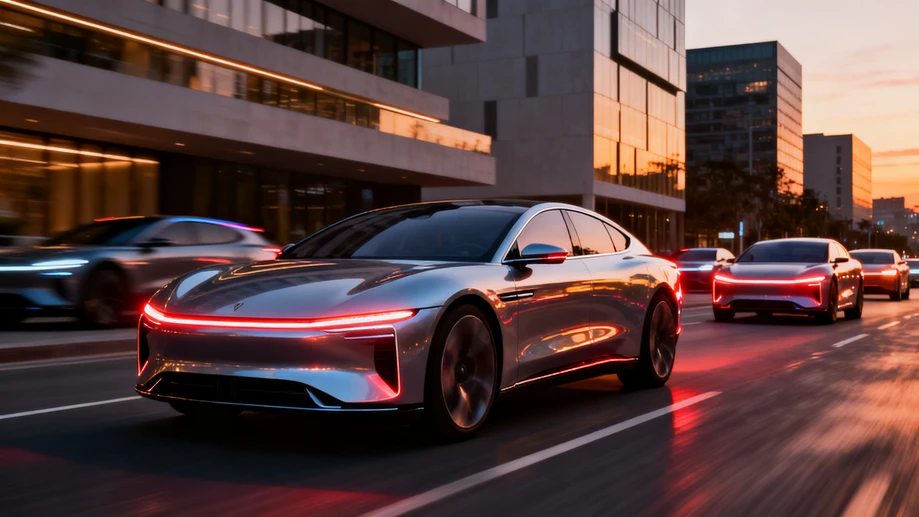
Why Do Electric Cars Look Like Alien Spaceships on Earth?
Unlocking the secret language of EV curves and creases that make gasoline cars blush
Remember when all cars resembled shoe boxes with wheels? Electric vehicles have flipped automotive design upside-down. Without bulky engines needing cooling, designers erased the giant grilles that dominated front ends for a century. The result? Smooth faces resembling digital tablets with LED eyelashes. Engineers sculpt bodies like dolphin skins – not for looks, but to cheat wind resistance. Every 10% drag reduction adds 20 miles to your range. That curved hood isn't just sexy, it's whispering sweet nothings to the air molecules.
Notice how Tesla's Cybertruck looks radically different from a Mustang Mach-E? This isn't accidental. Legacy automakers often retrofit EV guts into gasoline-car skeletons, preserving familiar shapes. True EV-native designs exploit freedom: shorter overhangs, cab-forward profiles, and wheels pushed dramatically to corners. See how the Rivian R1T's wheels almost kiss the bumpers? That creates a "skateboard" chassis packing batteries underfoot, liberating cabin space. Your grandma's sedan could never swallow bicycles vertically like the Hyundai Ioniq 5 does.
Light signatures now function like fingerprint IDs. Audi's pulsating dance of LEDs announces EVs before they round corners. Polestar's "Thor's Hammer" headlights look like Viking runes. Why the light show? With silent motors, designers created visual buzz. More crucially, these slender LED strips save energy versus old bulb clusters – critical when every watt counts. At night, you'll spot EVs by their glowing cheekbones where grilles once gaped.
Secret genius hides in invisible tricks. Those flush door handles aren't just for spy movie flair; they smooth airflow across flanks. The Jaguar I-Pace's floating roofline? A clever aerodynamic cheat creating vacuum zones to pull air faster over the rear. Even wheel designs got scientific: BMW i4's alloys have "aerocurtains" that steer air away from wheel wells. Tire makers even developed EV-specific rubber compounds that grip better yet roll smoother.
What's next? Smart surfaces will transform bodies like chameleon skin. Imagine color-changing paint controlled by your phone or solar panels integrated into glass roofs. BMW's i Vision Dee concept features e-ink panels that shift patterns instantly. The Lucid Air already hides retractable lidar in its forehead. As self-driving tech evolves, expect rotating seats and windshields morphing into cinema screens. Your car's skin might soon display charging status or welcome messages when you approach.
EV shapes aren't just stylistic whims – they're battles won against physics. That voluptuous rear isn't vanity; it prevents turbulent air bubbles that create drag. The low nose isn't just aggressive; it channels wind under the chassis. Next time you see an EV gliding silently by, know its curves contain volumes of engineering poetry. Who knew cutting electricity bills could look so devastatingly cool?