
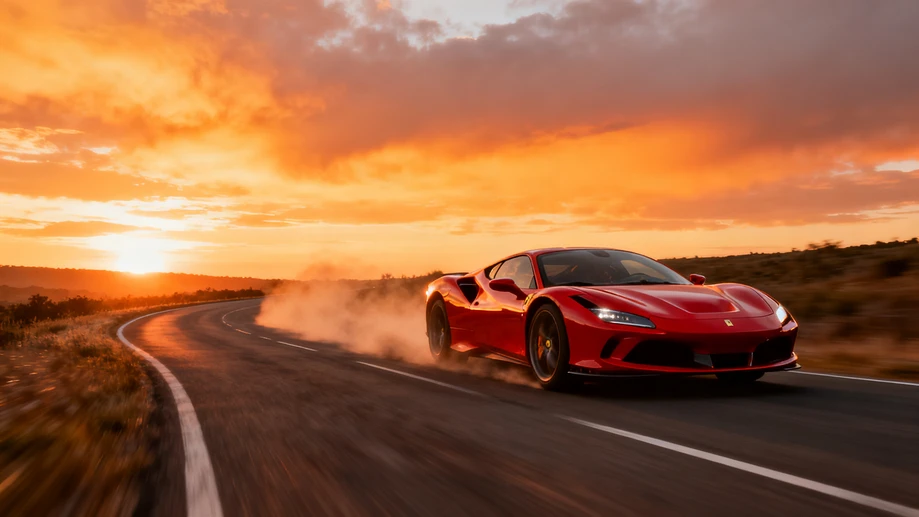
Supercars Are Mind-Blowing Machines!
Discover why these sleek beasts dominate the road with engineering that defies physics.
Imagine yourself behind the wheel of a roaring supercar, the engine purring like a wild cat as you accelerate from zero to sixty in less than three seconds. That’s the daily reality for enthusiasts who’ve fallen in love with these high-performance vehicles, combining speed, luxury, and adrenaline in a way that ordinary cars simply can’t match. Supercars, such as Ferraris, Lamborghinis, and Porsches, aren’t just about getting from point A to B—they’re designed to thrill, with sculpted bodies that cut through air like a knife and interiors crafted for comfort during hairpin turns on winding roads. For many car fans, the dream starts with a childhood poster on the wall, but it’s grounded in real-world feats like breaking speed records or dominating racetracks, proving that human ingenuity can turn metal into magic on everyday streets. What makes them so addictive? It’s the perfect blend of art and science: engineers pour years into refining every curve and component, while drivers experience a rush that’s as close to flying as you can get on four wheels.
Rewind to the early 20th century, and supercars were just a glimmer in inventors’ eyes, born from the simple desire to go faster than ever before. The first models, like the Bugatti Type 35 in the 1920s, set the stage with lightweight frames and powerful engines that could hit 100 mph—a jaw-dropping feat at a time when most vehicles chugged along at 30. Fast-forward to the 1960s, and icons like the Ford GT40 emerged, fueled by intense rivalries in races like Le Mans, where every detail was optimized for victory. But it wasn’t all smooth sailing; early supercars were often unreliable, with overheating engines and fragile parts that turned drives into daredevil stunts. Over decades, innovations like turbocharging and advanced suspensions transformed them from niche toys into symbols of innovation, driven by visionaries like Enzo Ferrari who famously said, "Build the engine first, and the rest will follow." Today, that evolution continues, with models tracing their DNA back to legends, making history feel alive every time you see one roar past on a highway.
Under the hood, supercars hide secrets that elevate them to engineering marvels, starting with their heart: the engine. Most use high-displacement V8 or V12 powerplants, capable of producing over 700 horsepower, thanks to cutting-tech like forced induction that forces more air into the combustion chamber for explosive acceleration. Coupled with this is aerodynamic wizardry—splitters, diffusers, and spoilers aren’t just for show; they channel airflow to glue the car to the road, preventing lift at high speeds and allowing for cornering that feels like magic. Materials like carbon fiber make bodies ultra-light yet incredibly strong, shaving off weight to boost efficiency without sacrificing safety. Add in seven-speed dual-clutch transmissions that shift gears in milliseconds, and you’ve got a symphony of tech that even everyday drivers can appreciate when they visit a car show or test-drive at a dealership. Yet, it’s not all about brute force: innovations like regenerative braking in hybrids, such as the McLaren P1, harness energy to reduce emissions, proving that supercars can be both green and mean.
In real life, supercars aren’t just for millionaires at exclusive tracks—they’ve woven themselves into our culture, inspiring events that draw crowds of all ages. Take the annual Goodwood Festival of Speed in the UK, where families gather to watch rare models climb hills in a cloud of tire smoke, creating memories as shared as childhood birthdays. Even city dwellers spot them on commutes; a quick drive in a rented Ferrari for a weekend getaway makes speed accessible, turning heads in coffee shops or parking lots. Pop culture fuels the obsession too, with movies like "Fast & Furious" turning supercars into heroes on screen, while influencers share real-world adventures on social media, from canyon runs to luxury road trips. But it’s not without quirks: owners often joke about "supercar problems," like finding gas stations that sell premium fuel or enduring the envy of neighbors. Ultimately, these machines symbolize freedom and aspiration, reminding us that pushing boundaries is part of the human spirit, one rev at a time.
Looking ahead, the future of supercars blends tradition with innovation, focusing on electric power that promises even wilder performance without sacrificing the thrill. New models like the Tesla Roadster aim for 0-60 times under two seconds, using instant torque from batteries to outpace combustion engines, while sustainable materials like recycled carbon fiber reduce environmental footprints. Autonomous tech might soon handle routine driving, freeing drivers to enjoy the rush during spirited runs, but the core essence—that heart-pounding sensation of speed—remains untouched. Fun facts abound: for instance, a Bugatti Chiron’s tires can handle speeds up to 260 mph but cost over $40,000 for a set, or how supercars often inspire everyday improvements, like adaptive suspensions trickling down to family sedans. As we evolve, the dream stays alive: supercars aren’t just machines; they’re stories of progress, inviting us to imagine what’s next on the open road.