
Are Supercars Really Just for the Rich?
Unveiling the Thrills and Surprising Realities of Everyday Speed Machines
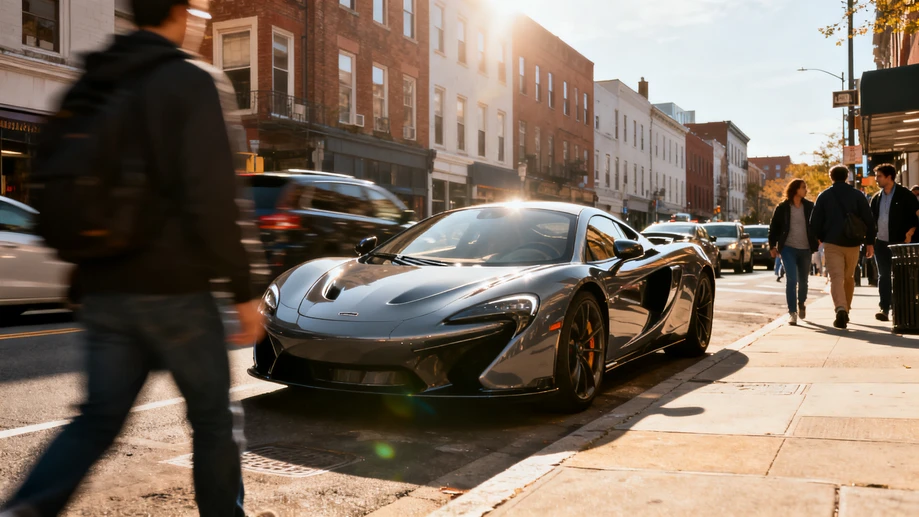
Picture this: you're stuck in traffic, and suddenly, a sleek, low-slung machine glides past with a throaty roar that turns heads. Supercars aren't just exotic toys for the wealthy elite; they're feats of engineering that blend art and science into our daily commutes. From the iconic Ferrari to the futuristic Tesla Roadster, these vehicles symbolize human ingenuity, pushing boundaries while sparking envy and awe. But beyond the glitz, they hold secrets that make them surprisingly accessible and fun for anyone with a passion for speed. Let's peel back the layers and discover how these high-performance beasts aren't confined to racetracks—they're part of the urban jungle, bringing adrenaline to ordinary streets and challenging the myth that only the rich can enjoy their magic.
Delve into history, and you'll find supercars born from rivalry and innovation. In the 1960s, legends like the Lamborghini Miura emerged as a direct challenge to Ferrari, fueled by a feud between Enzo Ferrari and Ferruccio Lamborghini. These early models weren't just fast; they redefined automotive design with curves that sliced through air like a knife, making them instant classics. Fast-forward to today, and brands like Porsche and McLaren continue this legacy, evolving from gas-guzzling monsters to hybrids that sip fuel while delivering heart-pounding acceleration. What started as a playground for millionaires has trickled down, with used models and affordable sports cars like the Mazda MX-5 offering a taste of the thrill. It's a story of democratization—where once-exclusive speed is now within reach, proving that supercars are more than status symbols; they're chapters in a global love affair with motion.
Under the hood, supercars pack mind-boggling tech that turns physics into poetry. Take aerodynamics: those swooping lines and rear wings aren't just for show—they generate downforce, gluing the car to the road at high speeds to prevent lift-offs. Then there's the engine, often a twin-turbocharged V8 or V12, capable of propelling you from 0 to 60 mph in under three seconds—faster than you can blink! Materials like carbon fiber keep weight down while boosting strength, making modern supercars surprisingly efficient. For instance, the Porsche 911 Turbo uses adaptive suspension to switch from track-ready stiffness to plush comfort for city potholes. And don't forget safety; features like traction control and anti-lock brakes mean these beasts are tamer than they seem, allowing even novice drivers to handle their power. It's a blend of brute force and finesse that transforms every drive into a symphony of engineering.
Now, let's bust the biggest myth: supercars aren't impractical garage queens. Many owners use them daily, navigating school runs or grocery trips with ease. Advances like hybrid systems—think the Acura NSX—offer electric modes for silent, eco-friendly cruising, cutting emissions without sacrificing speed. Plus, modern designs include practical touches: ample trunk space in models like the Audi R8, or user-friendly infotainment systems that rival family sedans. Real-world stories abound, like commuters who zip through highways in their Chevrolet Corvettes, finding joy in the mundane. Even maintenance has evolved; with extended warranties and reliable parts, upkeep is no longer a nightmare. This everyday usability shatters the illusion that supercars are only for weekend joyrides—they're built for life's adventures, big and small, proving that high performance can coexist with practicality in our chaotic world.
Of course, challenges remain, but they're not deal-breakers. Yes, new supercars can cost a fortune, but the pre-owned market offers gems at half the price, with certified programs ensuring quality. Insurance might be higher, but it's manageable with good driving records. And while fuel economy is a concern, innovations like regenerative braking in hybrids help offset costs. More importantly, the community aspect adds value; clubs and events let enthusiasts share tips and drives, fostering a sense of belonging. Ultimately, supercars teach us that speed isn't about extravagance—it's about passion. Whether it's the roar of an engine or the curve of a fender, these machines inspire us to chase dreams, making every journey an exhilarating tale of human achievement.